

… honestly, I didn’t think about it enough, and now I do.
Caveat: I teach MS/KS3 Science and HS/KS4&5 Physics, and this discussion applies to classes with students aged 11 – 16.
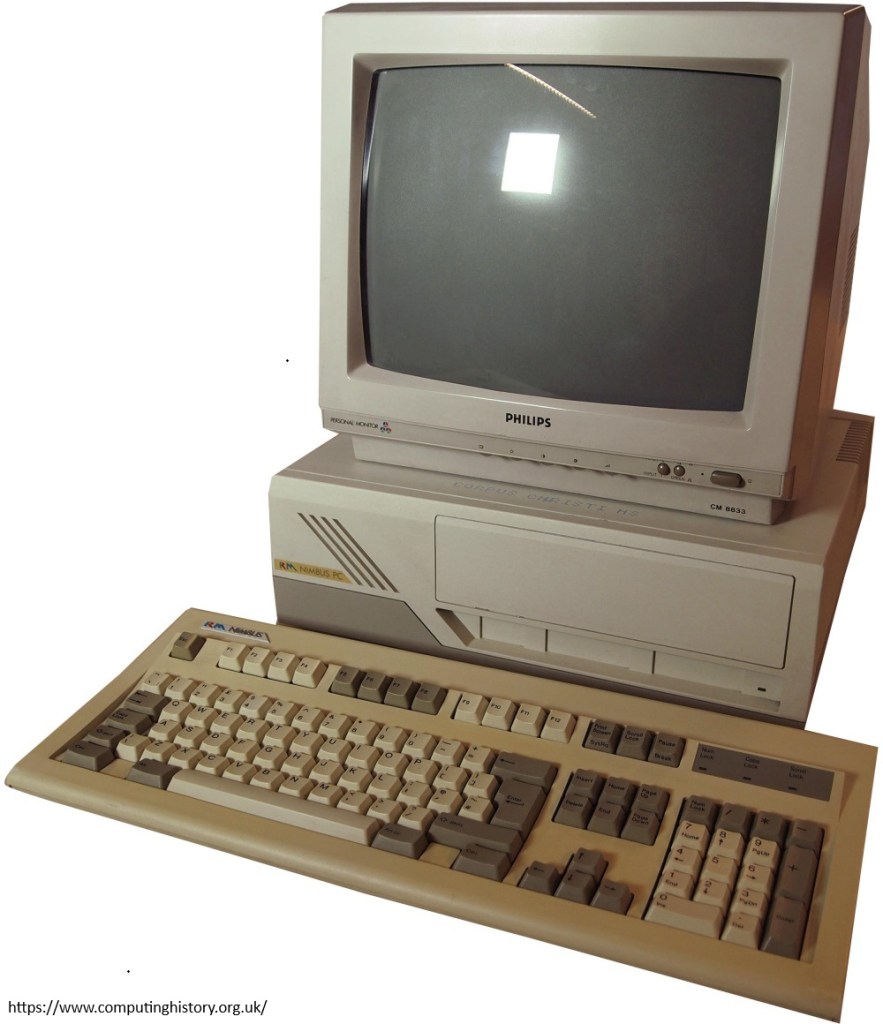
My first computer1 had a 20MB hard drive. You’d need about 2000 of them to match the memory of a current average smartphone. They’d fill your bedroom.
One day I pressed the wrong button, reformatted the hard drive and wiped everything. That’s my first vivid memory of using a ‘computer’. It wasn’t portable. It didn’t do much. It did less after I reformatted it.
I loved that computer. I taught myself HTML and designed the school website; I was the Webmistress. I put all my physics A level resources and more on the website.
I say this to illustrate that I’m not anti-tech. I have been pro-computer from the outset. Why?
Take #1: It was novel! It was fun! It was a new toy!
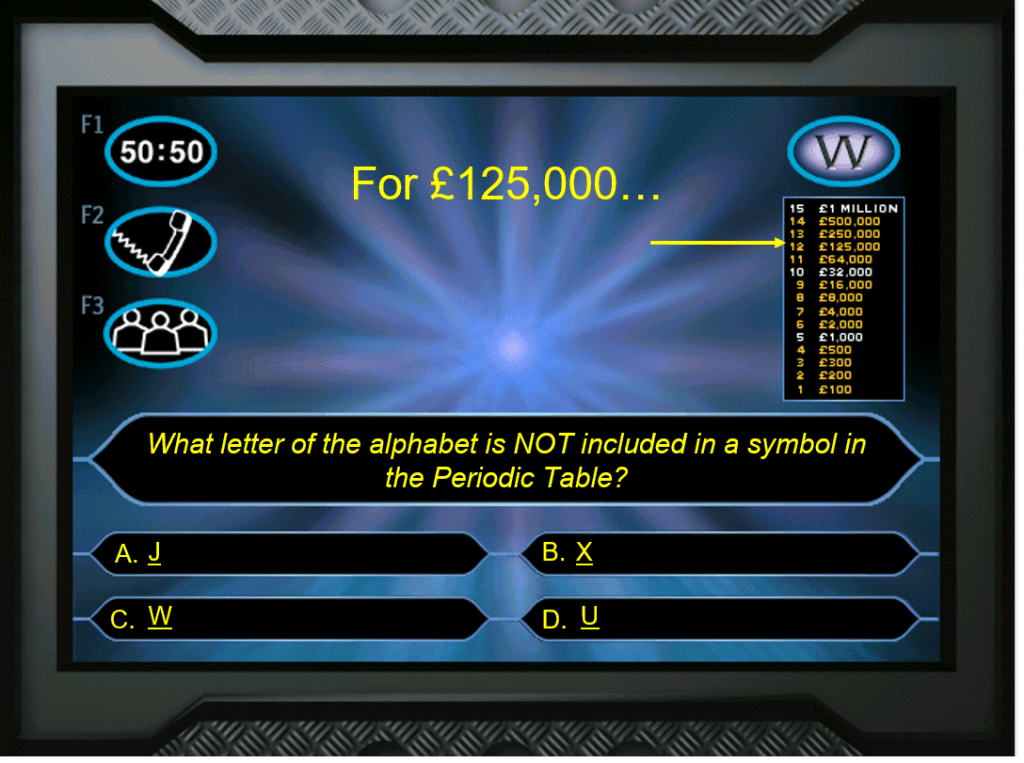
In the 1990/2000s in the UK using computers with students involved booking a computer room or, later, booking the ‘laptop cart’. Most of the time it wasn’t worth the effort. The students did lessons for ICT (Information Communication Technology), which were mainly application based… word processing, presentations.
What began to be available to me were games like ‘Who Wants To Be A Millionaire’ with science facts, or websites to make science wordsearches and the like. I know. What was I thinking? I wasn’t.
Then in 2016 I moved to the US. All my students had laptops… now we could really get stuck in. They made PowerPoint presentations galore, researched exoplanets and novel uses of electromagnetism. They played Kahoot, online ‘science’ games, and watched YouTube. Why?
Take #2: They were engaged! And I was helping to prepare them for a world full of tech!
But, at the same time, I was reading more and more about cogsci (cognitive science, or the Science of Learning in the US). Just because they’re engaged doesn’t mean they’re learning anything. Graham Nuthall said:
“Our own research shows that students can be busiest and most involved with material they already know. In most of the classrooms we have studied, each student already knows about 40 to 50 percent of what the teacher is teaching.”
Then came COVID. There was no option but to dive into computer-based activities. I had started a spreadsheet about online physics activities, and this drove planning while we were online. You can find it here. I immersed myself in simulations and applications because they gave the students options of things to do that were not just worksheets/reading/answering questions. Instead of spending time in lessons doing physical things like practical/lab work they used a screen.
What COVID normalized (in the US):
– Teachers setting work online (not in physical planners)
– Student submitting work online (not in physical exercise books/on paper)
– Students sitting at laptops.
However, back in my lab I was increasingly troubled. The more I read about cogsci the less appealing it became to say ‘get out your laptops’. It wasn’t overnight, but gradually I rethought what I was doing.
Take #3: I need to think about this more
Lessons are a zero-sum game in terms of time. Time spent getting out laptops, overseeing the activity, dealing with technical issues… all of that time is ‘wasted’ in time of instruction, and in terms of thinking. All the choices we make have an ‘opportunity cost’, as Arran Hamilton, John Hattie, and Dylan Wiliam discuss in Making Room for Progress3. If you’ve got the laptops out you can’t be doing something else.
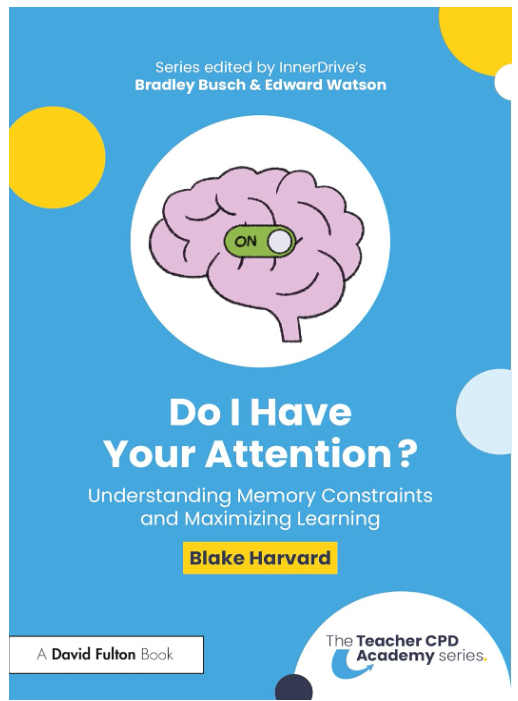
Next, attention. Attention4 is the only game in town. If they’re not attending, they can’t learn.
I could not guarantee that they would be paying attention to what I wanted them to pay attention to while using their laptop. Firstly, the cognitive load of loading the application, following instructions, and completing the activity significantly reduced the time spent thinking about the science/physics, and hence the effectiveness of the learning (with all but the most expert learners). Secondly, it’s easy to have another tab open and do something else entirely (and adults do this too; I worked with teacher who would always have a tab with the cricket score up). Thirdly, the rise of social media and messaging, and with laptops with free access to the internet it was impossible to police.
As I began to look more closely, the attention issue became crystal clear. For many/most students it was not about learning, it was about completing the activity. They weren’t paying attention to the things that would result in learning or, if they were, it was an extremely inefficient process. Irrespective of the merits of the software, it was just not a good use of time.
Take #4: This is not a good use of lesson time.
What do I do now?
I realized I could achieve what I wanted them to experience with the software by:
– Demonstrating the app, directing their attention or
– Extracting data from the app as they watch, which they then use or
– Setting interacting with the app for homework and starting the lesson with some retrieval practice about what they’d learned (only good for things they could log in to so I could see their use, like Seneca Learning).
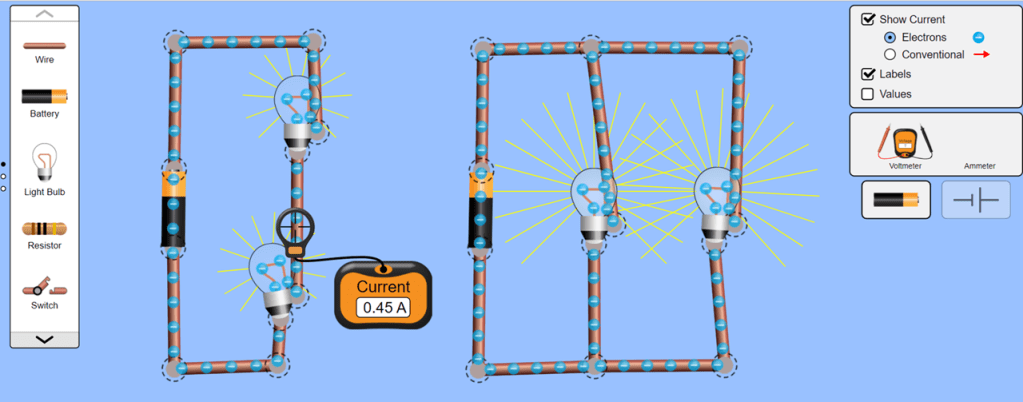
The days of a whole class of students with their laptops out in lessons have effectively gone. (The one exception is the totally brilliant PhET simulation ‘Circuit Construction Kit’ w-hen they are learning about electric circuits. It replaces lab/practical work with light bulbs and wires for novices. Even then they soon figure out how to set the battery on fire.)
What about the future?
When there is a call for a ban on ‘Edtech’ it is the use of laptops by a whole class working with the same piece of software that I have in mind. As a result of my reading of cogsci the days of ‘research uses of electromagnetic waves and make a PowerPoint presentation’ have long gone, so it’s use of websites/games/apps that I am talking about.
Given the issues, let’s do what we do with diet. Eliminate everything and re-introduce things one at a time. If there is software with a research-informed claim to both learning AND efficiency, then judicious introduction after a ban would be the way to test it.
Despite my love of computers, I’m proud to be a Luddite. The Luddites were protesting the effect of technology on the quality of life, not for the removal of technology itself. The meaning has drifted over time. In terms of the original meaning, I am a Luddite. The quality of my teaching life has improved immeasurably by stopping to think: is the use of this technology the best use of my students’ precious time in class with me? Overwhelmingly the answer is no.
N.B. What I’ve missed out (and deserves additional discussion):
– What can be done with more senior students/expert learners in AP/A levels physics that doesn’t apply here.
– Use of phones in physics e.g. Phyphyx and video capture.
References:
1. That’s a Research Machines 380Z.
2. Nuthall, G. (2007) The Hidden Lives of Learners. NZCER Press, Wellington, (p24-25).
3. Hamilton, A., Hattie, J. and Wiliam, D. (2023) Making room for impact: A de-implementation guide for educators. Corwin Press.
4. Harvard, B. (2025). Do I Have Your Attention? Understanding Memory Constraints and Maximizing Learning (1st ed.). Routledge.
Here’s a summary.
Oh, and the answer is J.

