

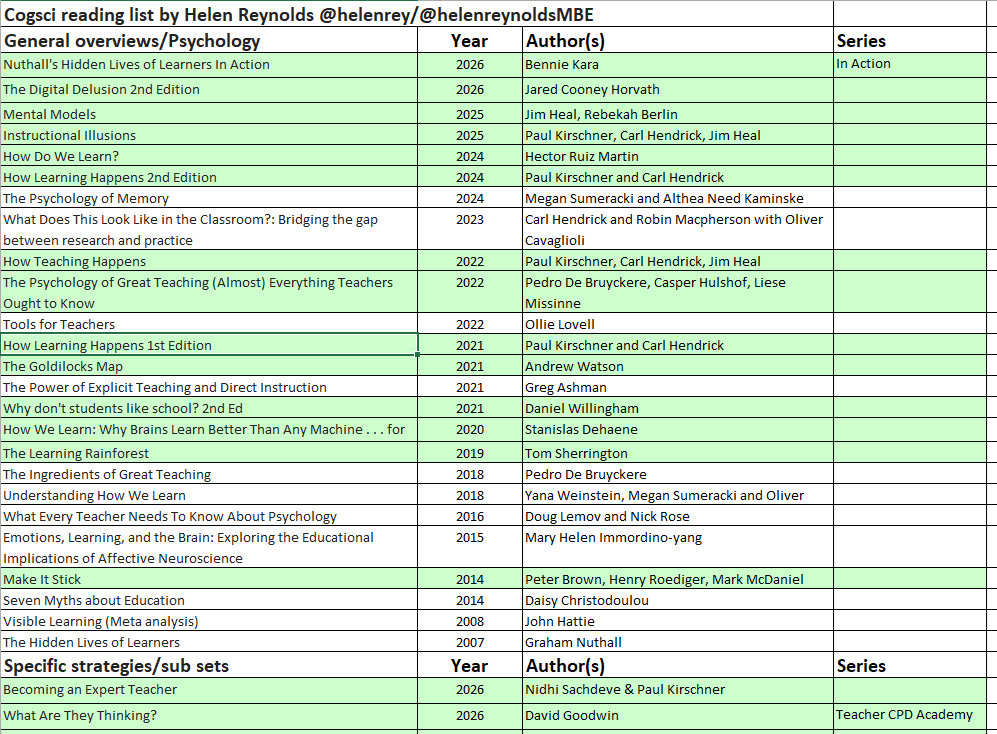
- Here is a reading list of 81 books about cognitive science and its application to the classroom.
There is a summary below for anything highlighted in green.
2. Here are my summaries of a selection of these books.
For each book there is
- a pdf of my summary
- a pdf of a summary with a blank column for your use as part of professional development.
- I would recommend that you read all of these books – they each have their own unique take on the subject, all have which have enriched my teaching enormously.
- It’s the interaction in making the summary that is important – please use the blank columns!
Do you have suggestions for books you think need a summary? Contact me

All the summaries are made with my brain.
No AI was employed at any stage.
Click on the thumbnail to jump to the summary. Books listed in alphabetical order by title.
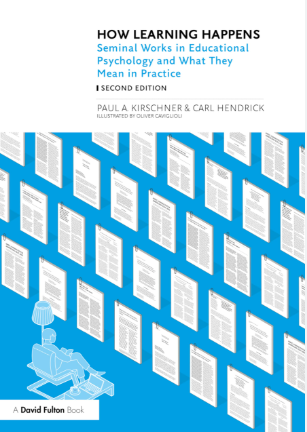

How Learning Happens: Seminal Works in Educational Psychology and What They Mean in Practice (2024)
by Paul Kirschner, Carl Hendrick
The book that inspired the summaries!
This had a profound impact on me. So interesting and useful to read about the research and use it to evaluate my practice. A go-to book for evidence-based practice.

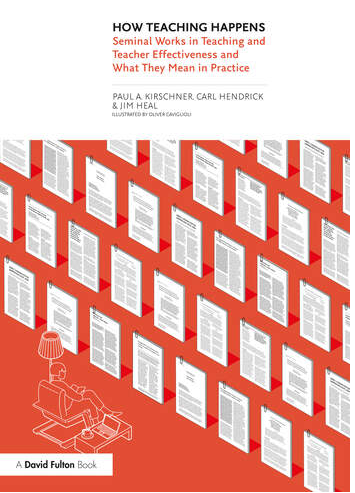
How Teaching Happens: Seminal Works in Teaching and Teacher Effectiveness and What They Mean in Practice (2022) by Paul Kirschner, Carl Hendrick, Jim Heal.
… and again, but for teaching. Remarkably useful… wish I’d had both books 35 years ago.
Developing Curriculum for Deep Thinking (2025) by Tim Surma,
Claudio Vanhees, Michiel Wils,
Jasper Nijlunsing, Nuno Crato,
John Hattie, Daniel Muijs,
Elizabeth Rata, Dylan Wiliam,
Paul A. Kirschner
A SUPERB, thought-provoking book that discusses the ‘why, what, and how’ of a knowledge-guided curriculum from learning, societal and democratic perspectives. Very important read.
Download summary
Download the book – FREE to download!
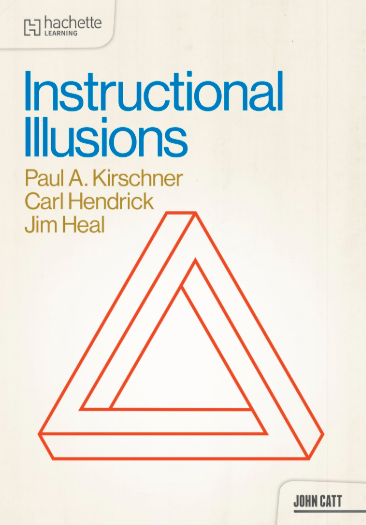
Instructional Illusions (2025) by
Paul A. Kirschner, Carl Hendrick, and Jim Heal.
A remarkable book. 10 illusions it has been easy to be under, why, what the research says and, most importantly, what to do (and not do) to unmask them for the benefit of the learning of our students.
A must read.
Teach Like a Champion 3.0 (2023) by Doug Lemov
Brilliant to have the 63 strategies and routines that define the craft of teaching based on cogsci in one book, and now all in one summary.
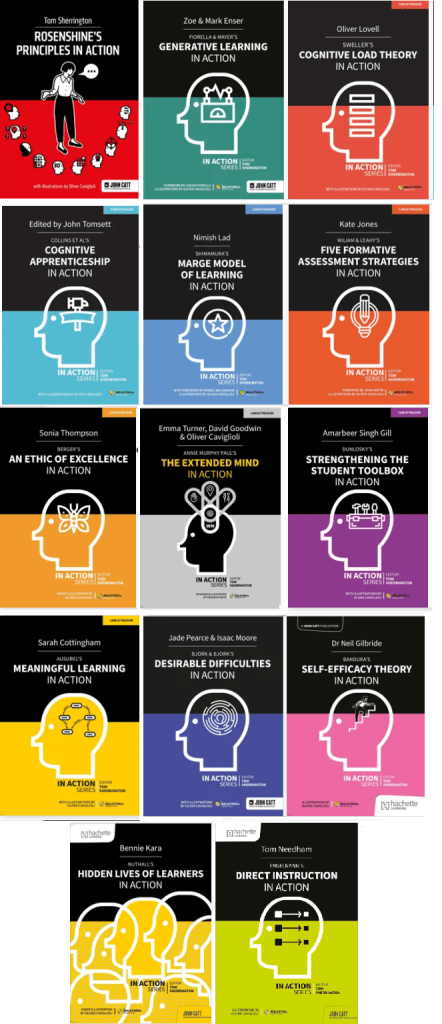
Fabulous series of books about a wide range of research and how to use its ideas in the classroom. Read all of them.
Rosenshine’s Principles (2019) by Tom Sherrington
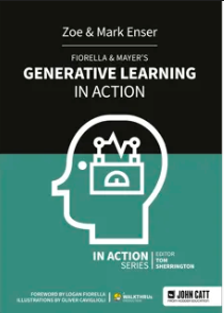
Fiorella & Mayer’s Generative Learning (2020) by Zoe & Mark Enser
Sweller’s Cognitive Load Theory (2020) by Ollie Lovell
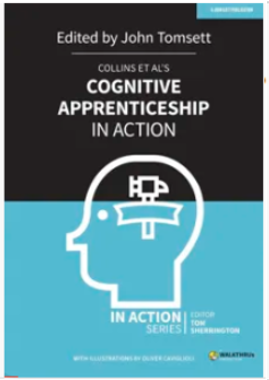
Collins et al’s Cognitive Apprenticeship (2021) by John Tomsett
Shimamura’s MARGE Model of Learning (2021) by Nimish Lad
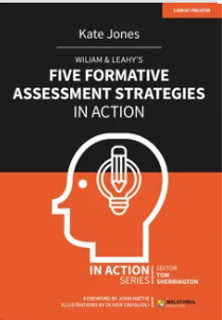
Wiliam & Leahy’s Five Formative Assessment Strategies (2021) by Kate Jones
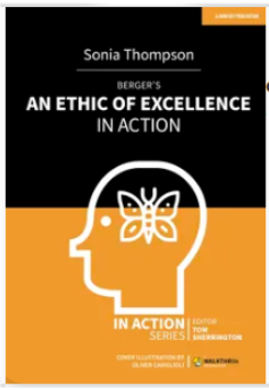
Berger’s An Ethic of Excellence (2022) by Sonia Thompson
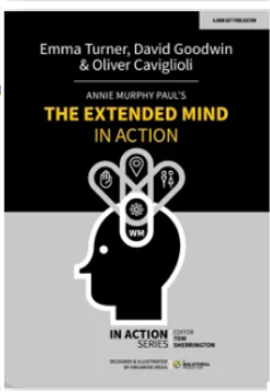
Annie Murphy Paul’s The Extended Mind (2022) by Emma Turner, David Goodwin, Oliver Caviglioli
Dunlosky’s Strengthening the Student Toolbox (2022) by Amarbeer Singh Gill
Ausubel’s Meaningful Learning (2023) by Sarah Cottinghatt
Bjork & Bjork’s Desirable Difficulties (2024) by Jade Pearce, Isaac Moore
Bandura’s Self-Efficacy Theory (2025) by Dr Neil Gilbride
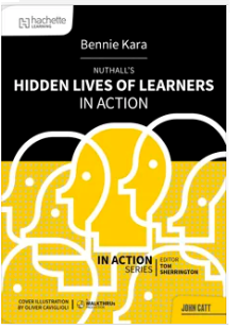
Nuthall’s Hidden Lives of Learners (2026) by Bennie Kara
Englemann’s Direct Instruction (2026) by Tom Needham
Download summary
Download ‘Do This’ version
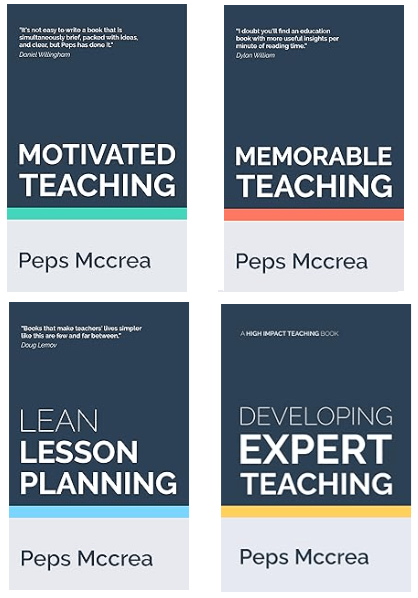
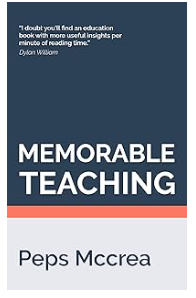
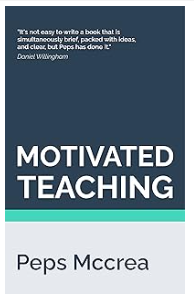
Motivated Teaching (2020), Memorable Teaching (2017), Lean Lesson Planning (2015), and Developing Expert Teaching (2023) by Peps Mccrea
To get so much useful material in so few pages is really is remarkable. Again, read all of them.
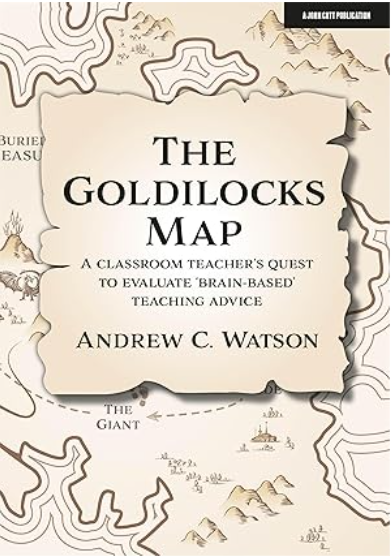
The Goldilocks Map (2021) by Andrew Watson
Everything I know about how to read the research in education I learned from Andrew in this book. It’s like having the magic veil lifted so you know what to do next time some says ‘The research says…’.
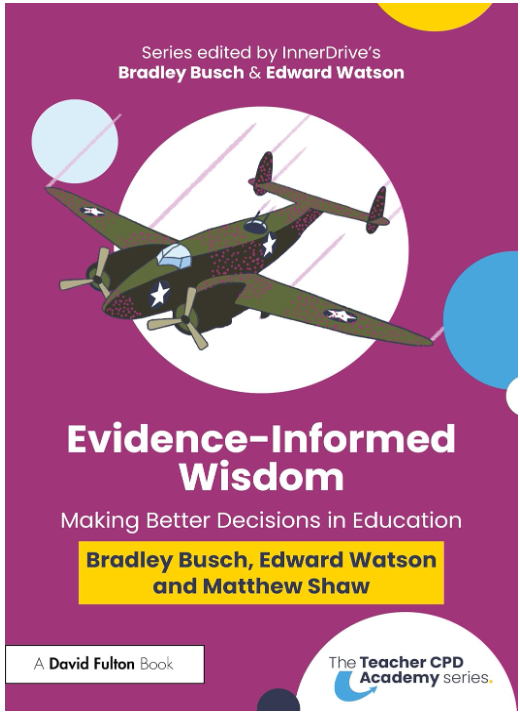
Evidence-Informed Wisdom by Bradley Busch, Edward Watson, Matthew Shaw
Short and impactful; read this if you’re interested in wisdom not just knowledge when it comes to the role of research in education. You’ll have a great toolkit to use.
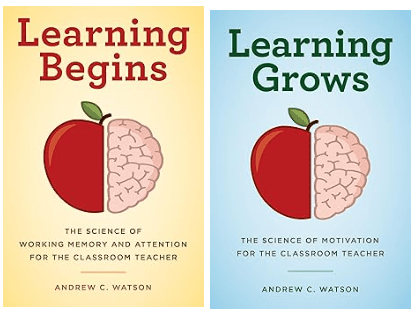
Learning Begins (2017), Learning Grows (2019) by Andrew Watson
I did not realize how knowing about working memory, attention, and motivation would have such a positive impact in ways that I use daily.
Download summary
Download ‘Do This’ version
Do I Have Your Attention (2024) by Blake Harvard
Attention in the MOST important thing – and this is such an important book to read all about it… and how to get the ‘contagion’ you want.
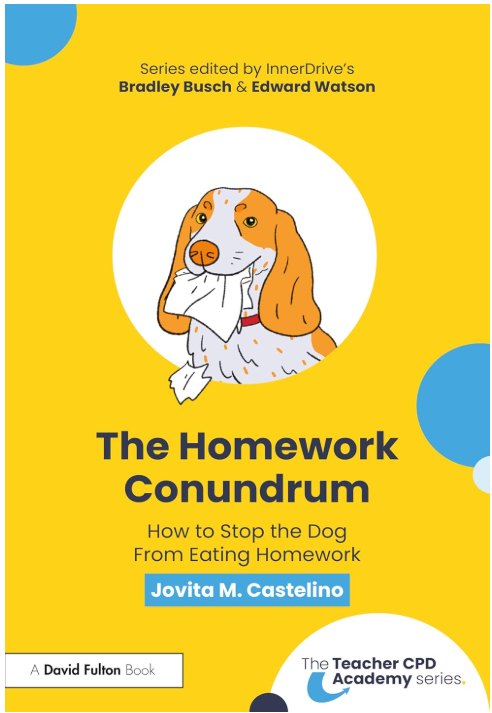
The Homework Conundrum (2025) by Jovita Castelino
Fabulous book to make you really thing about what you are setting and WHY. And a BRILLIANT chapter about How Do We Learn. You’ll never think about homework in the same way again.
Just Tell Them (2024) by Zach Groshell
So grateful to Zach for a book about explaining things that explains things so clearly! A model of how do do it.
Teach Fast (2022) by Gene Tavernetti
…yes, strategies are great, but what does the actual lesson look like? Gene’s book is a masterclass in the why and how of putting together the lesson.
Powerful Teaching (2019) by Pooja J. Agarwal and Patrice Bain
A fantastic resource to power up your classroom practice. All the strategies explained, exemplified… so many good ideas.
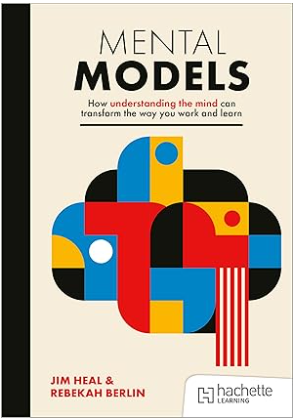
Mental Models (2025) by Jim Heal, Rebekah Berlin
A wonderful resource that both sets the stage and delves deep into what it means to develop student thinking, and how to do it.
Why Don’t Students Like School? 2nd Ed. (2021) by Daniel Willingham
The first book I read about the application of cognitive science in the classroom. It had a profound effect on my teaching, for which I will be forever grateful to Daniel Willingham. Even better reading it again…
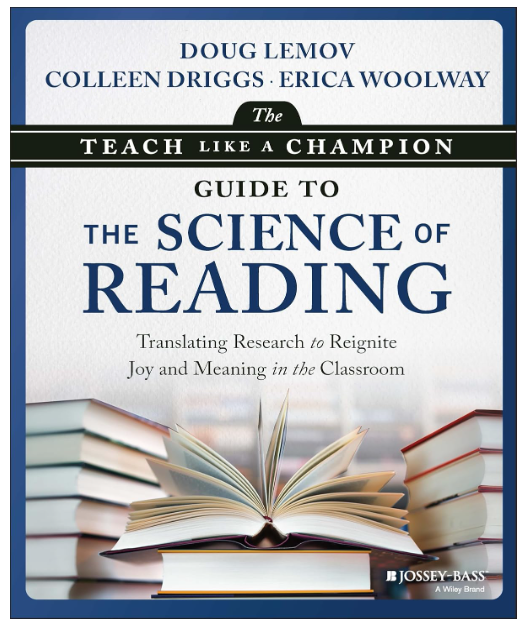
Guide to The Science of Reading (2025) by Doug Lemov, Colleen Driggs, Erica Woolway
An essential read for all teachers, not just those who teach students to read, including High School teachers (like me!) Research-informed, nuanced, and above all with practical ideas you can use on Monday.
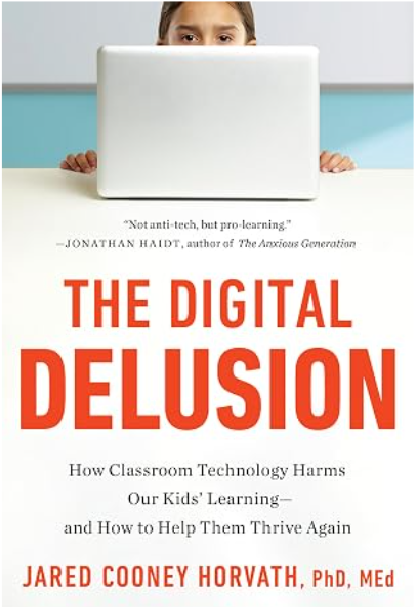
The Digital Delusion 2nd Edition (2026) by Dr Jared Cooney Horvath
This REMARKABLE book will clarify a number of important issues about EdTech in the hands of adolescents, with practical ideas for how parents and teachers can mitigate potential harm.
And read Chapter 7: The Deeper Threat of AI to Education. THIS should be central to every discussion around AI.
Updated with excellent appendices on data and the purpose of school.
Embedded Formative Assessment (2017) by Professor Dylan Wiliam
I started teaching in 1989, a year after Inside the Black Box by Dylan Wiliam and Paul Black was published. It changed everything, because it gave us the concept of ‘formative assessment‘, which we have been using ever since.
This book accomplishes the remarkable feat of deep and nuanced detail about the history, research, and methods involved in formative assessment, together with the ‘effective things I can do in my classroom tomorrow’.
An absolute must-read for all teachers.
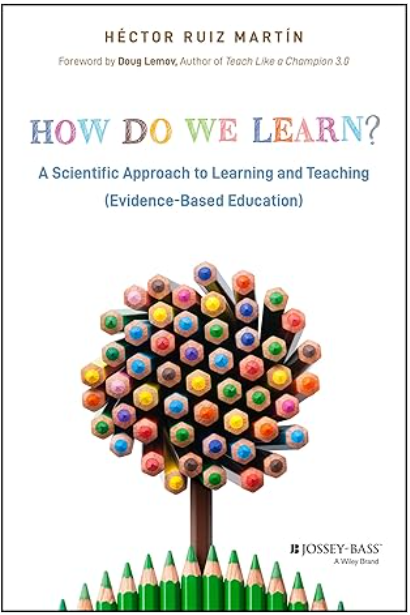
How Do We Learn? (2024) by Professor Héctor Ruiz Martín
The breadth and depth of this book is breathtaking. In terms of finding out what has a good likelihood of working in your classroom, and why that might be, you can find no better explanations.
There are no quick fixes, and after reading this you’ll be much better placed to look at whatever comes along and make informed judgements based on what we know about how people learn.
Another must-read!
Make It Stick (2014) by Peter C. Brown, Henry L. Roediger III, and Mark A. McDaniel.
I first read this when it came out, and re-reading it for the purpose of making a summary reminded me about why it is one of the most influential books that has been written on the subject of successful learning.
It also has a lot to say about transitioning from less than helpful ideas to more successful strategies, both for students and teachers.
A total pleasure to read again!
Another must-read!
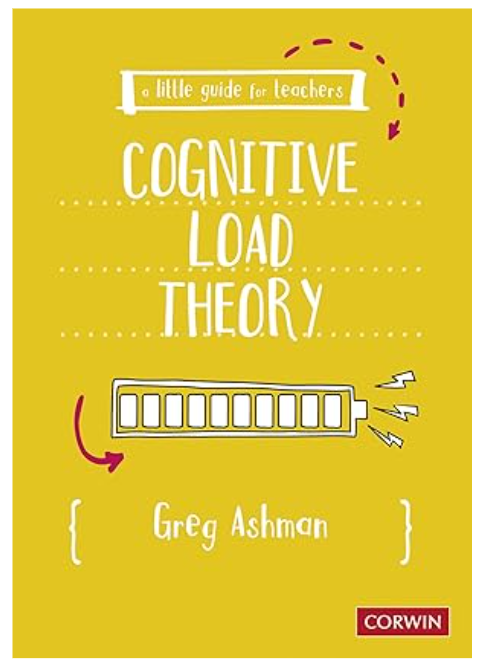
Cognitive Load Theory (2023) by Greg Ashman
What makes this book stand out among many other books that talk about Cognitive Load Theory is the depth and the nuance.
Not just theoretical, Greg examined Cognitive Load Theory as part of his PhD research into productive failure.
The result is a way of thinking about CLT that avoids common pitfalls, as well as super practical suggestions for applying CLT for the benefit of your students (and yourself!)
And it’s super short – definitely worth the time!
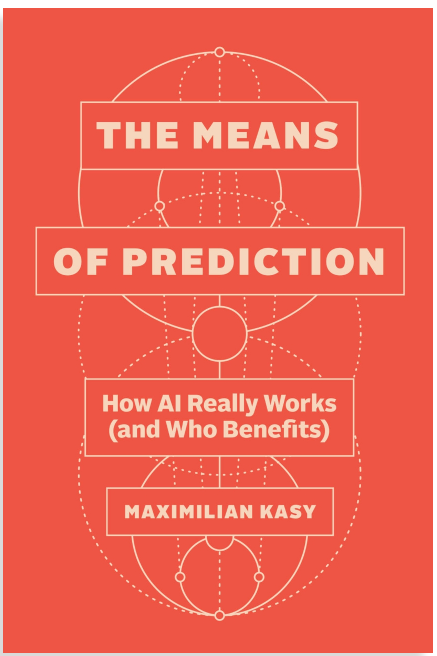
The Means of Prediction (2025) by Professor Maximilian Kasy
Before I read this book I had only a vague notion about what AI is and what it does.
Now I can interact with the discussions about AI, and especially with AI in education having stepped out of that Kafka-esque opaque place I used to inhabit.
One of the most useful books I’ve read in years.
Download summary
Download ‘Do This’ version
From the author’s website:
How A.I. Can Use Your Personal Data to Hurt Your Neighbor
Not Inevitable: Democratizing power over AI
The means of prediction and the production function of AI: Efip policy brief
Author’s presentation
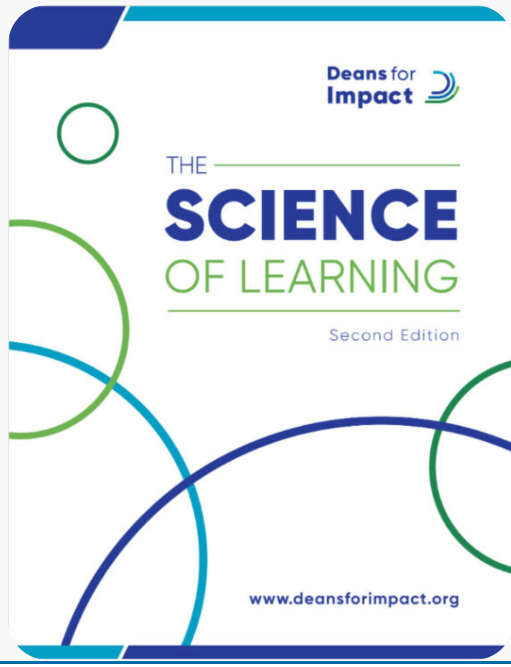
The Science of Learning 2nd Edition (2026) by Deans of Impact
An extremely useful summary of the Science of Learning with classroom strategies AND pitfalls to avoid!
Also, a useful list of misconceptions about how we learn and the evidence for what we do know.
Download the report here!
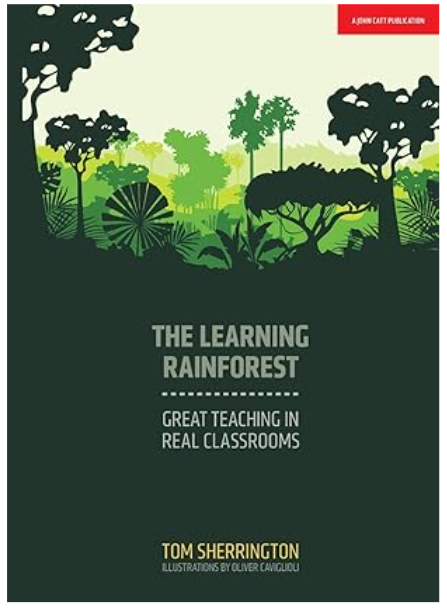
The Learning Rainforest (2017) by Tom Sherrington
How do you think about your teaching? Sometimes (me included) we’re so busy ‘doing teaching’ we don’t think about the bigger picture.
This is a FABULOUS metaphor/lens:
roots = classroom conditions
trunk = knowledge
canopy = possibilities… SO helpful!
Prophecy: Prediction, Power, and the Fight for the Future, From Ancient Oracles to AI (2026) by Carissa Véliz
We live in interesting times. If you’re feeling that you’re not seeing the Big Picture when it comes to AI than this book is for you!
SO much to think about; THE MOST USEFUL lens to have… predictions are NOT facts.
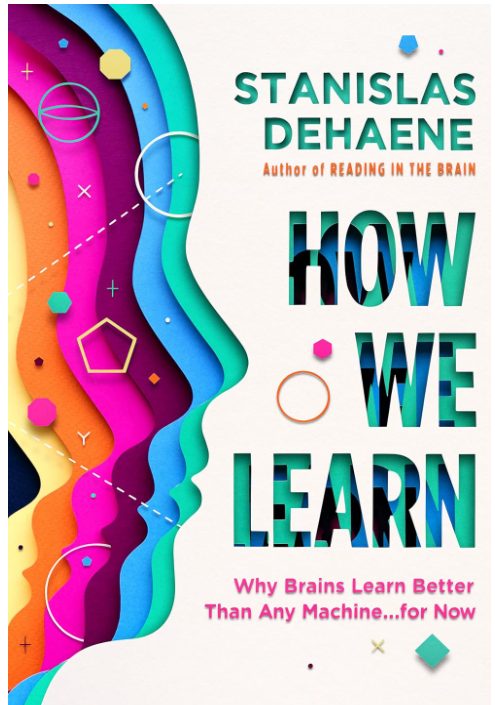
How We Learn: Why Brains Learn Better Than Any Machine… for Now (2020) by Stanislas Dehaene
Every book about cognitive science and the brain has a unique perspective and this is no exception.
Masterfully informative and eminently useful, the insights stay with you… a must read for teachers AND parents.
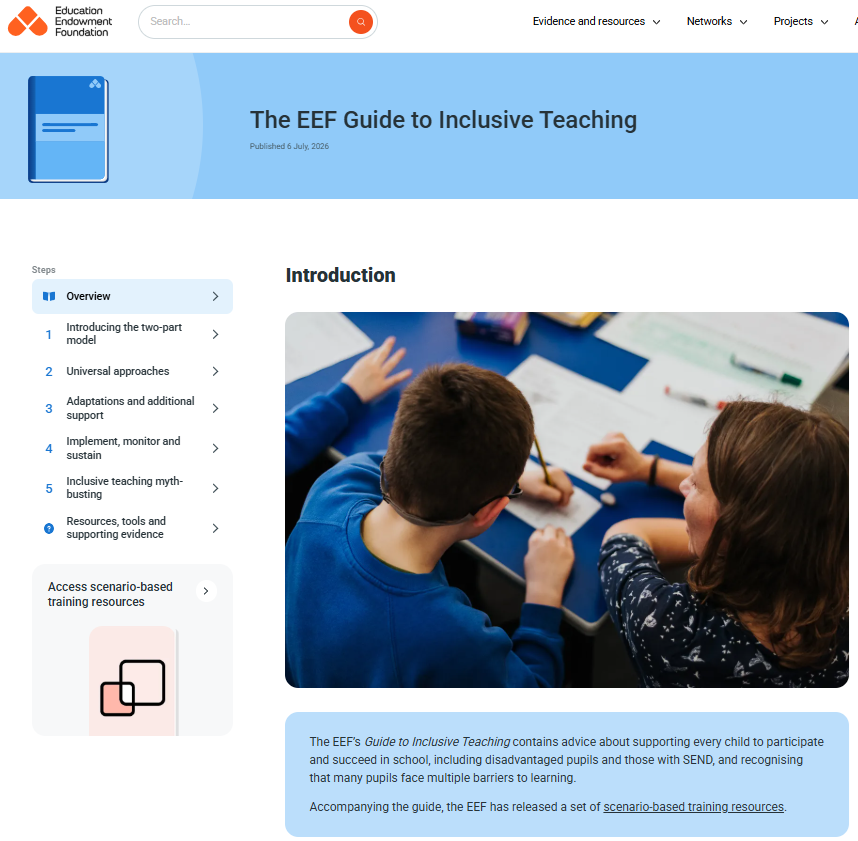
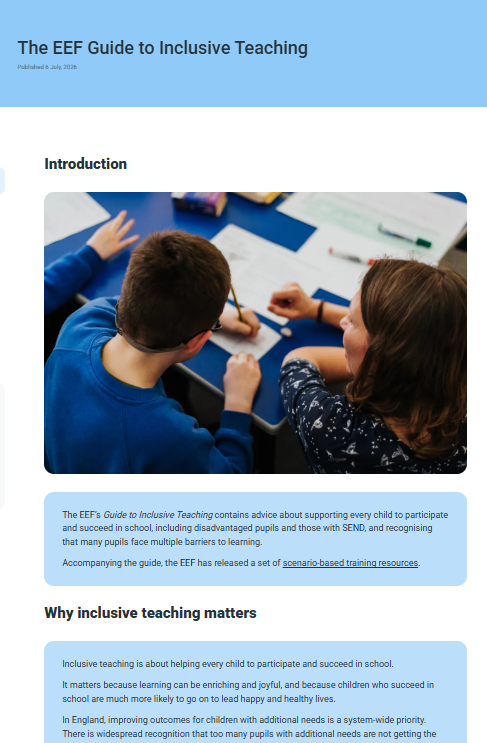
Guide to Inclusive Teaching by Educational Endowment Foundation (2026)
FANTASTIC evidence-informed guide to working with students with additional needs in your classroom.
A must have for every teacher.
Making Room for Impact by Arran Hamilton, John Hattie, Dylan Wiliam (2024)
Are you a teacher thinking about changing some of your classroom practice to align with the evidence from research, but are not sure how to go about that change?
This summary is for you! I’ve focused on individual teachers rather than people working in Admin/SLT level (but if you are Admin/SLT use this book to change your school!).
SO many useful ideas!
Slow Teaching by Jamie Thom (2018)
Have you ever got to the end of the teaching year and thought to yourself ‘that was SO hard, stressful and/or overwhelming’?
This is the book for you!
Jamie takes you through the steps to slow it all down, make it all manageable, and bring back the joy!
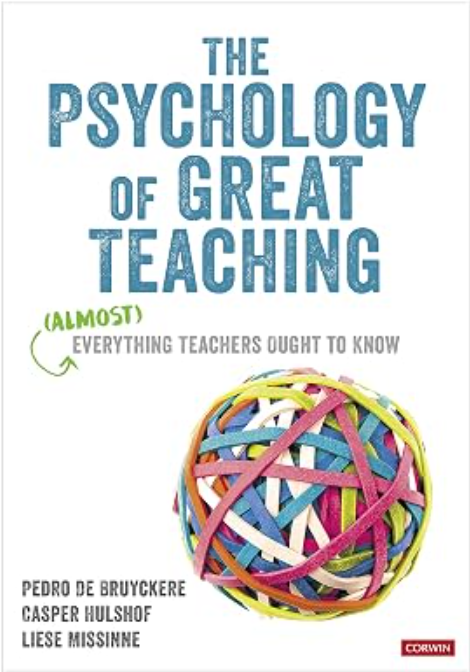
The Psychology of Great Teaching (Almost Everything Teachers Ought to Know) by Pedro de Bruyckere, Casper Hulshof, Liese Missinne (2022)
Cognitive science draws on psychology, and this EXCELLENT book not only gives a comprehensive (and readable) background, it is FULL of useful applications for your classroom.
Super useful!
Teaching Secondary Science: A Complete Guide by Adam Boxer (2021)
If you teach science this EXCELLENT book is a MUST. All those cogsci principles explained and exemplified in ways you can start to do on Monday in your science classroom!
Most importantly, is subject specific, so how to get the most out of practical work too!
Super useful for every aspect of science teaching!
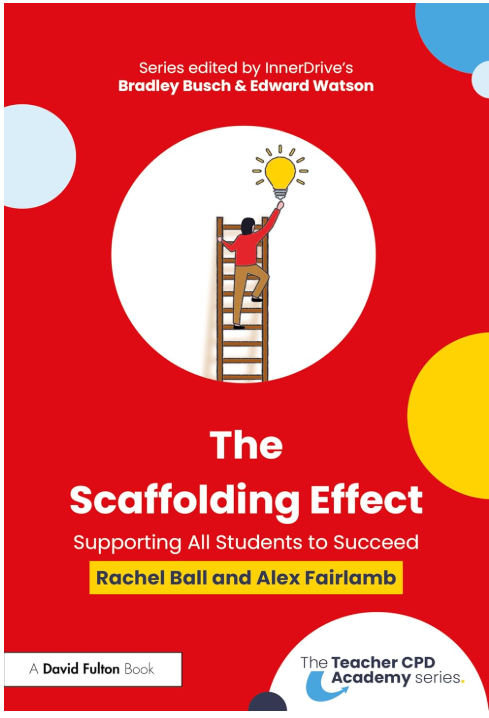
The Scaffolding Effect: Supporting All Students to Succeed (2025) by Rachel Ball, Alex Fairlamb
One of the most challenging aspects of teaching is how to support all learners to reach the high bars that we set them for their learning.
This FANTASTIC book is a treasure trove of ideas, lenses, ways to think about what you’re doing, pitfalls to avoid, and more!!
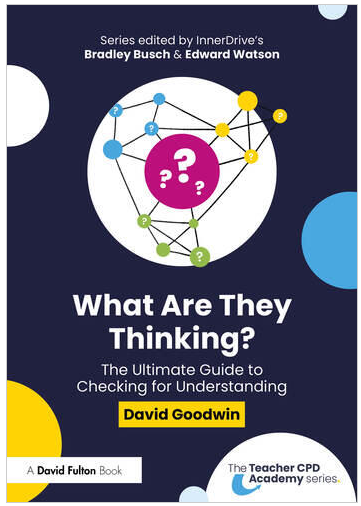
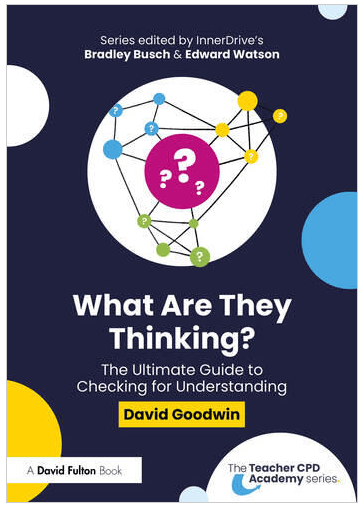
What Are They Thinking? (2026) by David Goodwin
I spent far too long teaching without checking that they had learned what I had taught.
This FANTASTIC book is delves into the research but is ultimately practical; you can do these things on Monday and your students will benefit because you will know how your teaching has landed!
Do you have suggestions for books you think need a summary? Contact me

