

I started teaching in 1989, and officially finished this year after 36 years. A lot has changed, including my thoughts about why I’m doing what I’m doing.
I’ve had three ideas about the point of classroom teaching.
The first was an idea I used to share with the trainee teachers who came to my school from Oxford University Department of Education. They were called ‘interns’, and they spent two days a week with us from the beginning of the year, with an extended full-time practice later in the year. That way they got to see the ‘flavour’ of the whole school year. I, myself, had been an intern. After about 5 years of teaching I became a mentor.
At this point I was also moving from ‘doing teaching’ to ‘thinking about why I’m teaching’, as Tom Sherrington describes eloquently in his excellent book The Learning Rainforest (summary here).
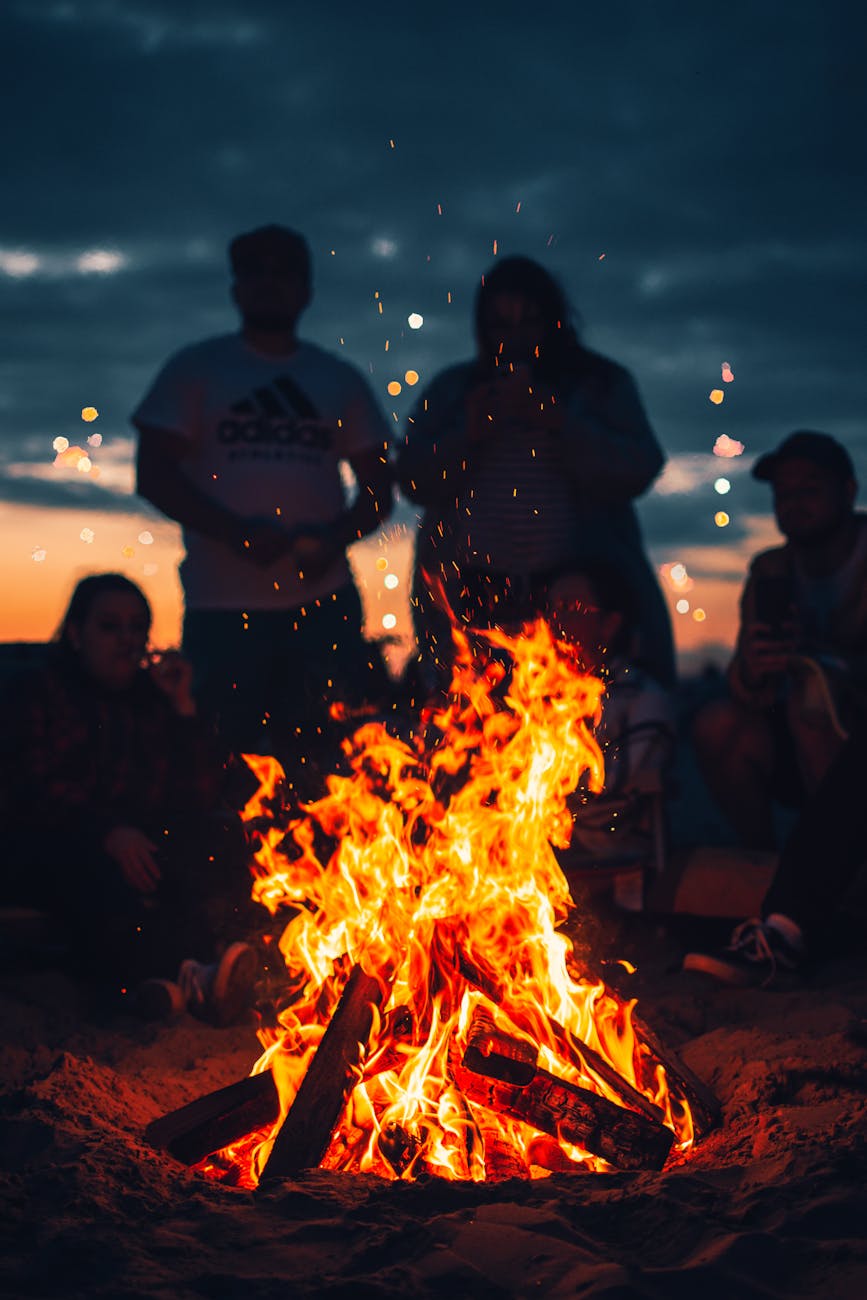
Idea #1: Teachers are like the elders sitting around the campfire, passing on their knowledge and wisdom to the young people in their care.
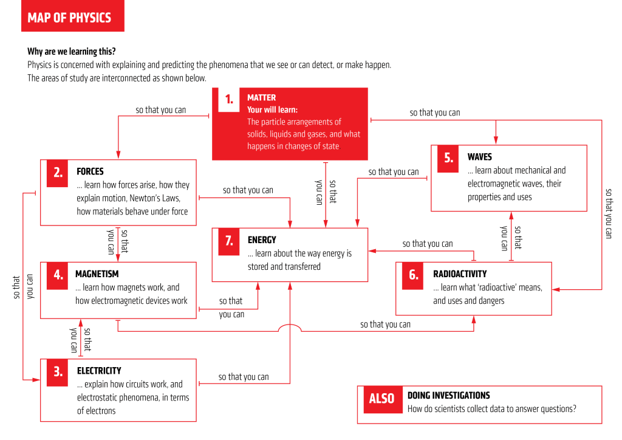
The second idea grew out of work I did with the Qualifications and Curriculum Authority helping to revise the English National Curriculum, and out of discussions about the ‘Physics Architecture’ championed by Charles Tracy at the Institute of Physics.
Physics isn’t really linear. It shares less structure with chemistry and biology in that respect than you might think. There’s nothing really ‘at the bottom’, as you might argue is the case with ‘cells’ in biology, or ‘atoms’ in chemistry.
I came to think of physics more as a ‘terrain’, a ‘country’.
Idea #2: I’m your tour guide!
Come with me into the land that is ‘physics’ and let me show you around!
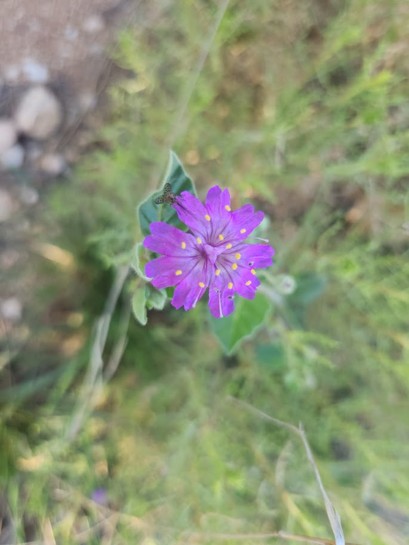
The third idea started with a video of Richard Feynman talking about a flower. He talks about how we can all appreciate the beauty of a flower, and that there is also beauty in the things you can’t see… the structure, the function, the way insects see the flower in a way that we don’t.
Knowledge of science ADDS to the beauty. That stayed with me through my whole career.
As I read more about cognitive science over the last 12 or so years, I came to appreciate that ‘novices are not little experts’. That has huge consequences for how we teach (see more here),
I finally realised that, for me, teaching physics was about opening up that other world.
Idea #3: See it like I see it.
It’s been an amazing 36 years. I will always be grateful that I chose teaching.

